Common Types of Mold on Wood Surfaces
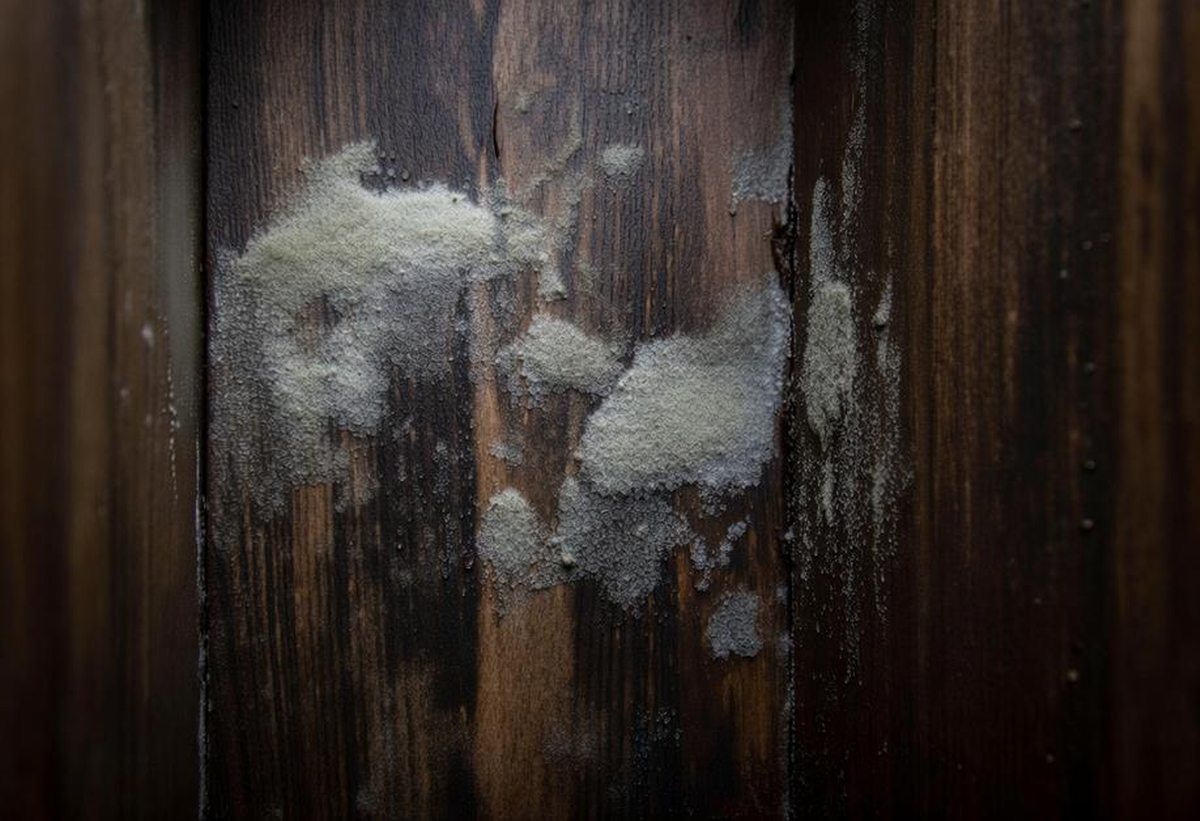
Mold is not just an unsightly nuisance but a health hazard that can cause serious structural damage to wood surfaces. When you find types of mold on wood in your home, it's essential to address the issue promptly to maintain a safe and aesthetically pleasing environment. Mold thrives in damp, humid conditions and can quickly spread if left unchecked. Homeowners and restoration contractors in Yakima and its surrounding areas often deal with this persistent problem and turn to professional services for effective solutions.
Understanding the various types of mold on wood is crucial for effective management and prevention. Each type of mold has distinct characteristics, requiring different approaches to removal and mitigation. This blog post will delve into the common types of mold found on wood surfaces, explain how mold affects wood, and provide tips on how to prevent and handle mold damage.
Understanding Mold and Wood Surfaces
Wood is a common material used in homes for everything from flooring to furniture and cabinetry. Its organic nature makes it susceptible to mold, especially when exposed to moisture. Mold on wood not only looks unattractive but can also weaken the structure of the material. Mold spores can penetrate wood surfaces, leading to rot and decay, which compromise the integrity of the wood over time. When dealing with these issues, it's important to know the types of mold on wood to choose the appropriate treatment strategy.
Common Types of Mold on Wood
There are several varieties of mold that are likely to colonize wood surfaces. Here’s an overview of some of the most prevalent types:
1. Aspergillus
This is one of the most common types of mold on wood and other household materials. It can appear in various colors, including yellow, green, brown, and black. Aspergillus produces allergens and can cause respiratory issues if inhaled over a prolonged period.
2. Cladosporium
Known for its black or green-patchy appearance, Cladosporium thrives in both cool and warm conditions, making it adaptable to many environments. It’s often found on wood surfaces that are exposed to moisture and can cause allergic reactions.
3. Stachybotrys (Black Mold)
Perhaps the most infamous type of mold, Stachybotrys, often called black mold, is dark green or black in color. It requires constant moisture to grow and is typically found on water-damaged wood. It's essential to handle this mold with care due to its potential health risks, which include respiratory problems and immune system suppression.
4. Penicillium
Penicillium is another common mold type known for its blue or greenish appearance. It spreads quickly across surfaces, including wood, and can cause asthma or allergy symptoms. Its presence is a sign of possible moisture problems.
Identifying Mold on Wood
Correctly identifying the type of mold on wood is crucial for employing the right remediation strategy. Mold testing and inspection by professionals can determine the specific mold type and extent of infestation. Utilize the expertise of mold removal in Yakima and beyond for an accurate assessment and tailored solutions.
Preventive Measures to Combat Mold Growth
Preventing mold growth on wood surfaces involves controlling moisture and humidity levels. Here are some strategies to consider:
- Keep areas dry: Make sure to repair any leaks promptly and use dehumidifiers in damp spaces to limit moisture levels.
- Ensure proper ventilation: Improve air circulation, especially in areas like bathrooms, kitchens, and basements that are prone to humidity.
- Regular inspection: Routinely check for signs of mold on wood surfaces, particularly in less visible areas like basements and attics.
- Seal wood surfaces: Applying a sealant can create a barrier against moisture, reducing the risk of mold growth.
Effective Mold Remediation Approaches
If you discover mold on wood in your home, it's critical to act quickly. Here’s a series of steps homeowners can follow to address the problem efficiently:
- Identify and eliminate moisture sources: The first step in mold remediation is to address the moisture issue, which allows mold growth.
- Isolate affected areas: Contain the moldy area to prevent the spread of spores during cleaning.
- Use protective gear: When handling mold, wear gloves, a mask, and eye protection to minimize health risks.
- Perform a thorough cleaning: Remove visible mold using specialized cleaners that penetrate wood surfaces effectively.
- Consider professional help: For persistent or extensive mold infestations, professional mold removal services are often necessary. Experts have the tools and expertise to thoroughly cleanse wood of mold while preventing future occurrences.
Benefits of Professional Mold Removal
Professional mold removal services are equipped to deal with all types of mold on wood, whether it’s a minor infestation or a severe spread. They utilize advanced equipment and techniques to ensure structural integrity and home safety. Moreover, professionals can educate homeowners on proactive measures to prevent future mold growth. Considering services such as mold removal in Yakima ensures a comprehensive approach to mold-related issues.
Taking Action Against Mold
Dealing with mold on wood surfaces can be a daunting task, but understanding the types of mold and taking preventive measures can make a significant difference. If you notice signs of mold, it’s advisable to act swiftly. When DIY solutions fall short, rely on services like mold removal or even smoke and fire damage restoration to safeguard your home’s health and structure.
Clean Image Services is ready to assist homeowners with all mold-related issues, ensuring quick and effective remediation. With their expertise, you can protect your home from the dangers of mold and maintain a beautiful, healthy living space. Whether you’re facing mold issues in East Wenatchee or need fire damage restoration in Ellensburg, the professionals at Clean Image Services have the knowledge and tools to assist.
From mold inspections to comprehensive cleanup, trust Clean Image Services to provide the support and guidance needed to overcome mold challenges. Contact them today to learn more about their full range of restoration services, ensuring your home remains safe and mold-free.