How to Tell If There Is Mold in Your Walls and What to Do Next
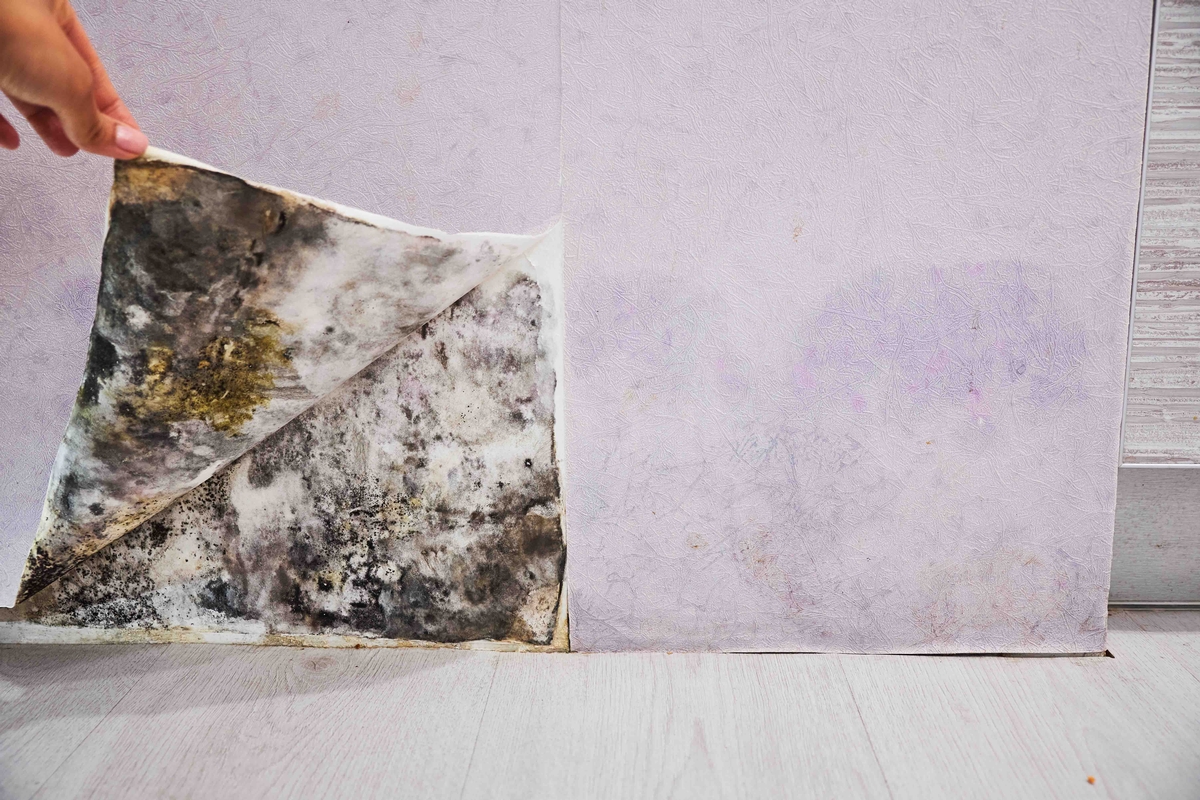
Mold lurking in your walls is not an uncommon issue, yet it is often left unchecked until it becomes a significant problem. Knowing how to tell if there is mold in your walls can save you from extensive damage and health risks. This issue is particularly relevant in Yakima, WA, where humidity variations can create prime conditions for mold growth. If you suspect mold might be present, seeking expertise from a damage restoration company in Yakima or wherever you might be can be crucial. Not only does mold compromise the structural integrity of your home, but it also poses a serious health threat that requires prompt attention.
Throughout this post, we'll explore essential signs of mold infestation, delve into preventative measures, and recommend actionable steps you can take to protect your home. Understanding the nuances of mold detection and the benefits of professional intervention are key to safeguarding your property and health. Read on to discover detailed insights and expert advice on how to manage mold effectively.
Signs There May Be Mold Inside Your Walls
Mold doesn’t always grow out in the open. In many cases, it develops behind drywall where moisture lingers unnoticed. Because of that, the warning signs are often subtle at first. Paying attention to changes in appearance, smell, and even how people feel inside the space can help you catch a problem before it spreads.
Changes in Appearance
Discoloration is one of the most common clues. You might notice dark specks, faint green patches, or cloudy white spotting along painted surfaces. Sometimes it looks more like staining than growth, similar to a shadow that wasn’t there before. Peeling paint, bubbling drywall, or warped sections can also signal moisture trapped behind the surface, which creates the right environment for mold to thrive.
A Lingering Musty Smell
Odor is often the giveaway when mold is hidden. A damp, earthy smell that doesn’t go away after cleaning may indicate growth behind the walls. It can be stronger in areas with limited airflow, such as bathrooms, basements, or laundry rooms. Covering it up with candles or air fresheners may mask it briefly, but the source of the smell will remain until the moisture issue is addressed.
Unexplained Health Reactions
When mold spores circulate indoors, they can affect air quality. Some individuals experience coughing, congestion, watery eyes, headaches, or skin irritation. If symptoms seem to lessen when leaving the property and return after spending time inside, it may be worth investigating further. While these reactions do not confirm mold on their own, they often coincide with hidden growth problems.
Persistent Dampness
Mold requires moisture. Areas that frequently feel damp or humid deserve closer attention. Leaky plumbing lines, roof intrusions, or even minor condensation inside exterior walls can provide enough moisture for mold colonies to develop over time. Kitchens, bathrooms, and lower levels of a property are common trouble spots.
Why Mold Develops Behind Drywall
Mold growth is rarely random. It almost always follows a moisture source. Understanding what contributes to excess moisture inside wall cavities makes prevention much more manageable.
In climates with temperature swings, condensation can form when warm indoor air meets cooler wall surfaces. Without proper airflow, that condensation has nowhere to evaporate. Over time, repeated moisture buildup can saturate insulation and drywall.
Hidden plumbing leaks are another frequent cause. Even a slow drip inside a wall can create prolonged damp conditions. Because these leaks are out of sight, they may continue for weeks or months before visible damage appears.
Ventilation also plays a role. Rooms without adequate air movement trap humidity, especially after showers, cooking, or washing. When moisture levels remain elevated, wall cavities can become a favorable environment for mold spores to settle and multiply.
Steps to Take If You Suspect a Problem
If the signs point toward possible mold growth, early action is important. The longer moisture and mold remain untreated, the more extensive the damage can become.
Schedule a Professional Assessment
A qualified restoration professional can evaluate the situation using moisture meters, thermal imaging, and other diagnostic tools. For property owners, working with a team experienced in hidden mold detection provides clarity about the scope of the issue and the safest path forward.
Containment and Remediation
Once confirmed, proper removal is critical. Disturbing mold without containment can spread spores to unaffected areas. Professional remediation teams isolate the impacted space, remove contaminated materials when necessary, and clean structural components using industry-approved methods. Companies such as Clean Image Services specialize in controlled mold removal in Yakima, helping reduce the risk of cross-contamination during the process.
Correct the Moisture Source
Removing mold without addressing the underlying cause invites future problems. Repairs may include fixing plumbing leaks, improving ventilation, sealing exterior penetrations, or installing dehumidification systems. Ongoing monitoring of humidity levels and routine inspections can significantly lower the likelihood of recurrence.
The Value of Professional Remediation
While small surface spots may seem manageable, mold inside walls presents a different level of complexity. It often extends beyond what is immediately visible. Professionals are trained to trace moisture migration patterns, evaluate structural impact, and remediate affected areas safely.
Improper handling can release spores into the air and spread contamination throughout the property. Experienced restoration companies bring specialized equipment and established protocols to manage the situation efficiently. When mold is suspected behind walls, partnering with a knowledgeable team helps protect both the structure and the indoor environment.
Moving Forward
Understanding how to tell if there is mold in your walls makes a difference in preserving your property and health. Spotting the signs early and addressing the issue promptly can prevent larger problems down the road. In addition to visual and odor clues, maintaining awareness of any health symptoms can prove essential.
For residents in the area, partnering with a restoration company like Clean Image Services can protect and restore your home to a safe, mold-free standard. We offer not only Mold Removal but various restoration services tailored to the local climate challenges.
Remember that mold in your walls is not just a cleaning task... it’s a health and safety concern. Don't hesitate to reach out for professional insight and treatment. Not only does timely action preserve your home's integrity, but it also ensures peace of mind knowing that the health of your living environment is prioritized. For comprehensive remediation efforts and unparalleled restoration, consider contacting Clean Image Services and exploring their offerings, including mold removal in Quincy and other nieghboring towns.