Understanding the Five Classes of Fire and Their Classifications
When it comes to fire safety, knowledge is power. Fires aren't created equal; different types require different approaches for effective extinguishing. The five classes of fire categorize these variations to tailor firefighting strategies accurately. This knowledge is essential for individuals, businesses, and emergency restoration services alike. At Clean Image Services, we recognize the importance of understanding these classifications, especially when you're in need of an emergency restoration company in a place like Yakima, WA.
This article will explore the five classes of fire, offering insights into each type to better equip you with the knowledge needed to keep your environment safe. We'll delve into the definitions and characteristics that define each class, providing valuable information for homeowners and businesses. By understanding the nature of these fires, you can protect your surroundings more efficiently, minimizing damage and ensuring safety.
Class A: Ordinary Combustibles
Class A fires involve ordinary combustible materials such as wood, paper, cloth, rubber, and plastics. These are the most common types of fires, often found in everyday settings, from households to offices. Understanding Class A fires is crucial because they can start easily, spreading rapidly through areas with flammable materials.
To extinguish Class A fires, the primary methods include using water or foam fire extinguishers. Water helps cool the fire and reduce its temperature, while foam cuts off the oxygen supply. Simple steps like keeping flammable materials away from heat sources and using fire-retardant materials can prevent these fires. For emergencies, ensure that fire extinguishers are easily accessible.
Class B: Flammable Liquids
Class B fires involve flammable liquids such as gasoline, oil, grease, and alcohol. These fires can quickly escalate, presenting unique challenges for firefighters and emergency restoration services. It's important to note that water is not effective in extinguishing Class B fires, as it can spread the flammable liquid and exacerbate the situation.
Instead, chemical extinguishers such as foam, carbon dioxide, or dry chemical extinguishers should be used to put out Class B fires. These extinguishers work by separating the fuel from oxygen or by inhibiting the chemical reactions inside the flames. Proper storage and handling of flammable liquids and regular equipment maintenance can drastically reduce the risk of Class B fires.
Class C: Electrical Equipment
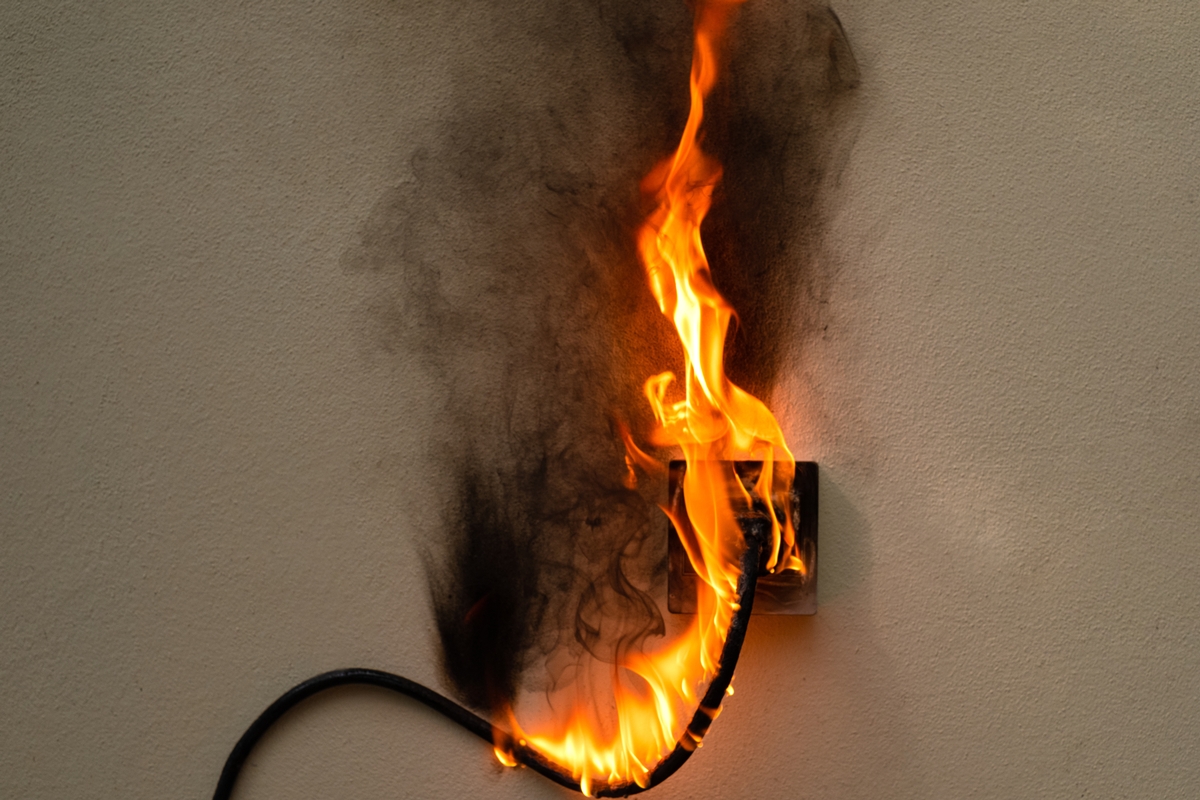
Class C fires involve electrical equipment like appliances, wiring, circuit breakers, and outlets. These fires can be frightening because of the risk of electrocution and the complexity in extinguishing them safely.
To tackle Class C fires, it is imperative to use non-conductive agents such as carbon dioxide (CO2) or dry chemical extinguishers. Never use water, as it is a conductor and can lead to severe electrical shocks. Always ensure that the power supply is cut off before attempting to put out an electrical fire. Regular inspections and maintenance of electrical systems is a preventive measure every household and business should prioritize.
Class D: Combustible Metals
Class D fires are less common but equally hazardous, involving combustible metals like magnesium, titanium, potassium, and sodium. These metals can ignite due to chemical reactions or friction, causing high-temperature fires that are difficult to control.
For Class D fires, specialized extinguishers containing dry powders designed for metal fires are required. These powders smother the fire and absorb heat without reacting with the metal. Class D fires often occur in industrial settings, so enforcing strict safety protocols and having the correct extinguishers nearby is crucial.
Class K: Kitchen Fires
Class K fires are a specific sub-category focusing on fires that involve cooking oils and fats, commonly found in kitchens. These incidents are prevalent in restaurants and homes with high cooking activity. Given the nature of cooking oils, these fires can quickly grow out of control if not handled correctly.
Wet chemical extinguishers are the best tools for fighting Class K fires. These extinguishers cool and emulsify the oils, cutting off oxygen and preventing re-ignition. To reduce the risk of kitchen fires, employ proper cooking practices, monitor cooking appliances diligently, and ensure ventilation systems are clean.
Coordinated Approach to Fire Safety
Understanding the five classes of fire is beneficial not only for immediate firefighting but also for long-term preventive measures. By knowing what causes each fire type and how to extinguish it, everyone from homeowners to business owners can design an effective fire safety protocol. Incorporating fire alarms, extinguishers, and sprinklers adjusted to specific fire threats enhances protection strategies.
As a damage restoration company, Clean Image Services provides comprehensive solutions for dealing with the aftermath of any fire class. Our smoke and fire damage restoration services in Yakima, WA, ensure that affected areas are thoroughly cleaned, repaired, and restored to their original state. This holistic approach covers not only visible damage repairs but also underlying issues caused by smoke and soot.
Enhancing Fire Safety Protocols
Fire prevention and safety are best achieved through community and individual efforts that focus on education and preparedness. Engage with local Fire Departments for resources and guidance tailored to your area. Regular fire drills at home and at work can make a significant difference in responding quickly to any emergency situation.
Stay current with fire safety equipment, regularly checking fire alarms and extinguishers. Replace devices as needed and instruct everyone in your household or workplace on proper usage. Being proactive about fire safety goes a long way in mitigating risks and ensuring peace of mind.
Partner with Clean Image Services for Comprehensive Restoration
When it comes to fire safety and restoration, knowledge and preparation are powerful allies. Understanding the five classes of fire helps you tailor effective firefighting strategies and establish preventive measures. The key to successfully managing fire emergencies lies in awareness and preparedness.
At Clean Image Services, we offer a wide array of restoration services, including mold removal in nearby cities like Sunnyside. Whether you're facing the challenge of smoke and fire damage or other restoration needs, we stand ready to assist you with expert solutions. Contact us today to learn more about how we can help protect your property and ensure safety for you and your loved ones. Connect with our team to get comprehensive solutions tailored for your situation and enjoy peace of mind knowing your property is in expert hands.