When You Can and Cannot Stay in Home During Mold Remediation
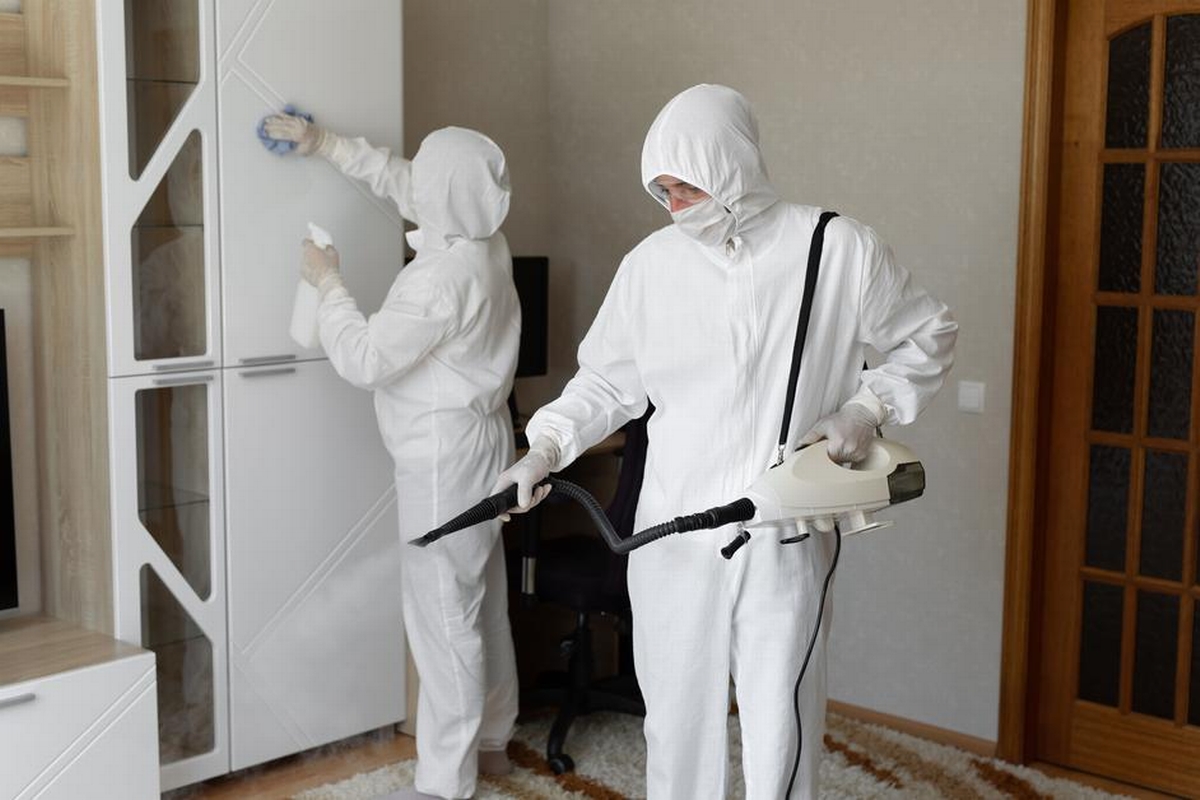
Mold infestations pose a serious threat not only to property but also to health. Understanding when you can safely stay in your home during mold remediation - and when you absolutely cannot - is crucial to protecting yourself and your family. Often a daunting experience, mold remediation is a necessary step to ensure a healthy living environment. Homeowners faced with mold challenges can rely on emergency restoration services in Yakima and its surrounding neighborhoods to handle the situation with professionalism and expertise. This article will guide you through the considerations that will help you decide the best course of action during such a predicament.
Mold can significantly damage a home and compromise indoor air quality, leading to health problems such as respiratory issues, allergies, and even toxic effects from certain types of mold. As mold remediation becomes necessary, questions arise, including: can you stay in home during mold remediation? This blog post will explore this question while delving into when staying home might be safe and situations that require temporary relocation. Understanding these factors will not only ensure your safety but also provide peace of mind during an inherently stressful process.
Understanding Mold and Its Risks
Before deciding whether you can stay in your home during mold remediation, it's essential to understand what mold is and why it poses a risk. Mold is a type of fungus that thrives in damp conditions, releasing tiny spores into the air. These spores, when inhaled, can cause various health problems. Mold is especially dangerous for individuals with existing respiratory issues, weakened immune systems, or mold allergies. Children and the elderly are also more susceptible to its harmful effects.
Mold growth can result from a variety of issues, including water leaks, flooding, or excessive humidity. If left unchecked, it can spread quickly, causing structural damage to a property. The longer the mold is allowed to grow, the more extensive and costly the remediation becomes, making early intervention critical.
Factors Determining If You Can Stay
Deciding if you can remain at home during mold remediation depends on several key factors. Most importantly, the extent and location of the mold infestation play crucial roles.
- Scope of Infestation: Small patches of mold, particularly if they are non-toxic varieties, may not necessitate evacuation. However, extensive infestations spread over large areas or black mold often require leaving the home, at least for the most intensive phases of the remediation process.
- Location of the Mold: Mold in low-traffic areas such as basements or attics may allow some portions of the home to remain habitable, while mold in living spaces like bedrooms and kitchens may make staying home untenable.
- Health of the Occupants: The health conditions of those living in the household are a significant consideration. Individuals with respiratory conditions or allergies should avoid exposure, as should children and the elderly.
- Remediation Techniques Used: The methods employed during mold removal also impact the decision. Some techniques may involve the use of chemicals or processes that make the air temporarily unsafe for occupants.
Making an informed decision about staying home during the process involves a comprehensive risk assessment, ideally conducted with the help of professionals experienced in mold removal.
Professional Mold Assessment
Hiring a professional mold inspector is a prudent first step in answering the question: Can you stay in your home during mold remediation? A qualified professional will assess the extent of mold infestation and recommend a detailed remediation plan tailored to your specific situation. The inspection should include testing for specific mold types and determining the exact locations and sizes of infestations.
Professional inspection is critical because it provides a scientific basis for understanding the severity of the mold problem. Once you have this information, a more informed decision about relocation or staying in place can be made.
Preparing for Mold Remediation
Once the initial assessment demonstrates that mold remediation is necessary, several preparatory steps should be taken. Preparing your home not only helps facilitate a smoother remediation process but also ensures safety.
If you choose to stay in your home during the process, you will need to seal off areas of infestation to prevent the spread of spores. Often, heavy-duty plastic sheeting is used to section off affected areas, along with sealing HVAC vents and using air scrubbers to manage air quality.
For those opting to relocate temporarily, it's important to gather essential items ahead of time - medication, important documents, clothes, and valuables should be packed up to avoid potential contamination.
The Remediation Process
The remediation process involves several stages, from containment and mold removal to cleaning and preventative measures to avoid future infestations. Depending on the situation, special techniques might be employed to ensure complete mold removal, which could include:
- Containment: Establishing negative air pressure to prevent mold spores from spreading.
- Physical Removal: Using specialized equipment to remove mold colonies from surfaces.
- Cleaning and Disinfection: Applying solutions to kill mold spores and cleaning affected areas thoroughly.
- Restoration: This may include replacing drywall, flooring, or other building materials damaged by mold.
Certain types of work, such as scraping mold from walls or using antimicrobial sprays, might create dust or fumes that could be hazardous to those with respiratory issues, further influencing the decision to vacate or remain.
Deciding To Stay or Go
Ultimately, deciding whether you stay in your home during mold remediation melds science with personal circumstances. Remain mindful of your family's comfort and safety when making decisions about staying or going. Consider pivotal factors like the scale of the infestation, your household's health specifics, and the advice of professionals.
Additional Considerations
Homeowners should remember that not all remediation situations are the same. For instance, other restoration services, such as smoke and fire damage restoration in Yakima, have their own unique safety concerns and logistical requirements. A company like Clean Image Services, with expertise in a wide range of restoration services, ensures comprehensive solutions tailored to each problem.
If your mold situation demands a temporary relocation, make arrangements for alternative housing options with loved ones or by booking accommodations, ensuring that all needs for the duration of the remediation are anticipated and met.
Making the Right Choice for Your Family
As you weigh your options, engaging Clean Image Services for expert assessment and remediation services can ensure peace of mind. Our team is well-versed in handling sensitive mold removal projects, drawing on years of expertise to restore your home's safety as swiftly and effectively as possible.
For residents of Central Washington, home services also extend to services such as lead paint removal in Chelan and beyond, underscoring our comprehensive approach to property restoration and family safety. Choosing to partner with experienced professionals is an investment in the longevity and safety of your home environment.
Whether or not you can stay in your home during mold remediation is a decision that requires careful consideration of multiple factors, from health risks to the scale of the problem. By leveraging professional services, you can protect your family from potential health hazards and restore peace to your home. Should you need assistance with mold remediation or related issues, Clean Image Services is ready and equipped to help you address these concerns effectively. Contact our team for more information and to schedule an evaluation tailored to your unique needs.